
Skip to content
दोस्तों से जुड़ी मुश्किलें — ड्रामा, सलाह, वो माफ़ी जो तुम्हें कहनी है।
सभी विषय
🫂

दोस्तों से जुड़ी मुश्किलें

ड्रामा, सलाह, वो माफ़ी जो तुम्हें कहनी है।

10–15 min per lesson🎯 Teens · ages 13–17 · CEFR A2

यह क्यों ज़रूरी है

दोस्तों के साथ बातें अपनी दूसरी भाषा में school English से कहीं ज़्यादा मुश्किल होती हैं। Textbooks में खाना order करने और hotel ढूँढने के लिए vocabulary होती है — यह बताने के लिए नहीं कि तुम्हें चोट लगी है, किसी से पूछने के लिए नहीं कि वो शांत क्यों हो गए, या बिना weak लगे माफ़ी माँगने के लिए। ज़्यादातर teens के लिए सबसे मुश्किल English वो होती है जिसके पीछे feelings होती हैं।

ये lessons तुम्हें उन्हीं conversations को low-stakes जगह practice करने देते हैं। Tutor पहले सुनते हैं, कभी नहीं बताते क्या करना है, और तुम्हें वो शब्द ढूँढने में मदद करते हैं जो चाहिए। चाहे एक DM लिखना हो जो passive-aggressive न लगे, या real माफ़ी से पहले उसे rehearse करना हो — यहाँ बिना judgment के कर सकते हो — और real life में काम आने वाले phrases लेकर जाते हो।

तुम क्या कर पाओगे

  • एक conflict को तीन clear sentences में बिना ramble किए describe करना।
  • "How are you feeling about it?" naturally पूछना।
  • एक strong माफ़ी देना: "I'm sorry I [specific thing]" — "sorry you feel that way" नहीं।
  • अंग्रेज़ी में actively सुनना: "That makes sense", "I get why you'd feel that way"।
  • एक kind boundary set करना: "I love you, but I need a bit of space tonight."

एक क्लास सच में कैसी लगती है

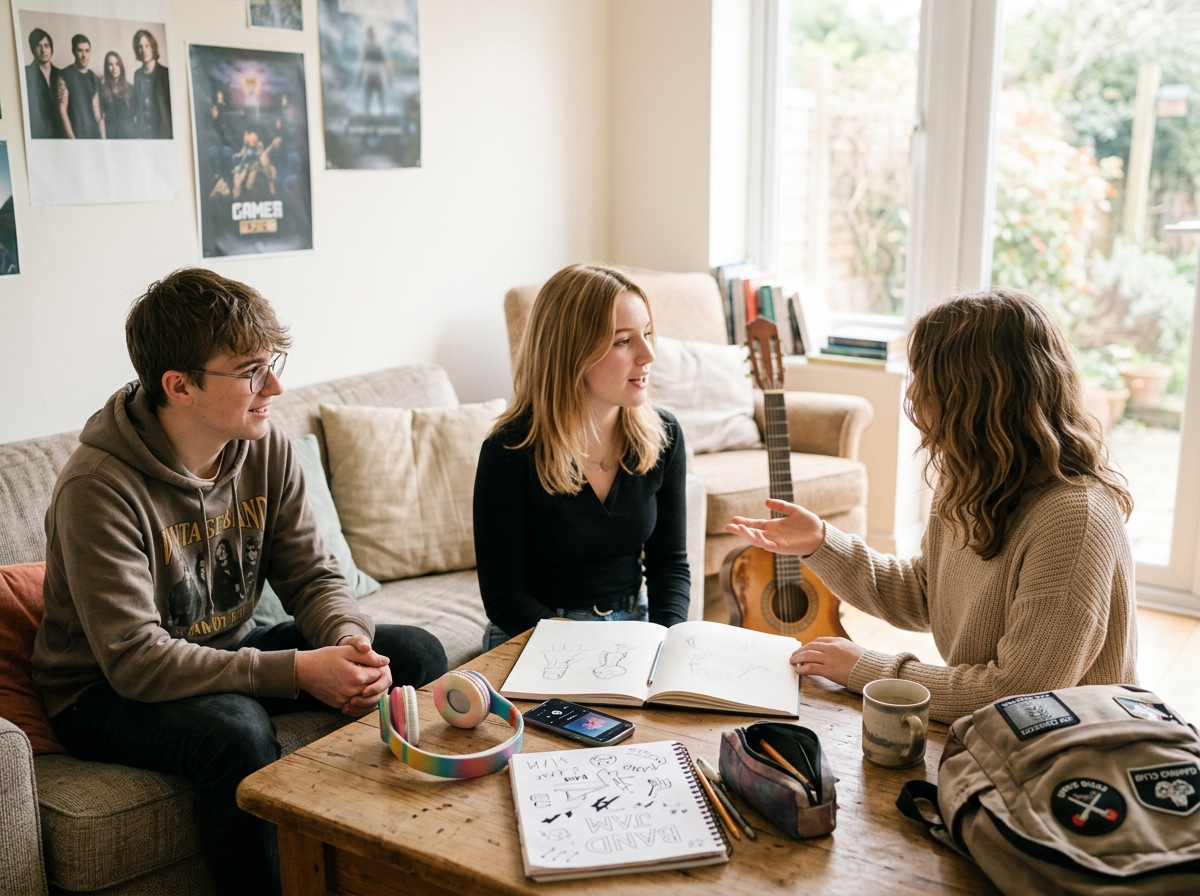
एक 15 साल का teen जिसका best friend दो हफ़्तों से दूर हो गया है।

Tutor
Hey! I'm Sarah. Anything going on with friends lately?
You
Yeah, my best friend has been weird with me. She barely replies anymore.
Tutor
That sounds really hard. How long has it been like that?
You
Maybe two weeks. I don't know what I did.
Tutor
I get why that's hurting. Have you been able to ask her directly?
You
I'm scared to. What if she's just over me as a friend?

ज़रूरी शब्द

drama
लोगों के बीच emotional उलझन। Teens के लिए natural शब्द।
"There's a lot of drama in our group right now."
fight
तेज़ feelings के साथ झगड़ा। इसका मतलब physical नहीं है।
"We had a fight last weekend."
ignore
जानबूझकर किसी को न देखना या reply न करना।
"She's been ignoring me since Monday."
ghost (someone)
बिना कोई explanation दिए अचानक reply करना बंद कर देना। "ignore" से भी ज़्यादा strong।
"He totally ghosted me."
awkward
जब कोई uncomfortable हो और किसी को कुछ कहना न सूझे।
"Things have been so awkward at lunch."
jealous
जब किसी के पास कुछ हो जो तुम चाहते हो, और बुरा लगे।
"I think she's jealous of my new friend."
mood
अभी कोई कैसा महसूस कर रहा है। "in a mood" = चिड़चिड़ा।
"She's been in a mood all day."
apologise / apologize
माफ़ी माँगना। UK: "apologise"। US: "apologize"।
"I should apologise first."
make up
झगड़े के बाद दोस्ती ठीक करना।
"We finally made up yesterday."
boundary
एक line जो तुम set करते हो — क्या तुम्हारे लिए OK है और क्या नहीं।
"I had to set a boundary about texts at midnight."

स्थिति के हिसाब से काम के वाक्य

कोई problem describe करना

  • I think she's upset with me.
  • He's been ghosting me for two weeks.
  • We had a fight on Friday.
  • I don't know what I did wrong.

किसी की feelings पूछना

  • Are you okay?
  • How are you feeling about it?
  • Do you want to talk about it, or not really?
  • Is there anything I can do?

माफ़ी माँगना

  • I'm sorry I [specific thing].
  • I shouldn't have said that. I get it now.
  • I want to fix this. Can we talk?
  • I miss you. Can we make up?

आम ग़लतियाँ और सुधार

अजीब लगता है
My friend, he is always sad now.
नैचुरल
My friend is always sad now. / He's always sad now.
अंग्रेज़ी में "my friend" और "he" दोनों एक साथ नहीं लगाते — एक choose करो। Subject बदलने पर ही दूसरा add करो।
अजीब लगता है
I'm sorry FOR I said that.
नैचुरल
I'm sorry I said that.
"I'm sorry" के बाद सीधे वो बात जो तुमने की — "for" नहीं। "I'm sorry for [a noun]" — जैसे "I'm sorry for the mess" — सही है, लेकिन verb के साथ सीधे "I'm sorry I [verb]"।
अजीब लगता है
She makes me to feel bad.
नैचुरल
She makes me feel bad.
"make/let/help" के बाद "to" नहीं लगता। "She makes me feel..." — "to feel" नहीं।

सांस्कृतिक बातें

  • English-speaking teen culture में "ghosting" (अचानक चुप हो जाना) direct confrontation से ज़्यादा common है। यह healthier नहीं है — लेकिन real pattern है। इसे नाम देना ("she's ghosting me") तुम्हें इस बारे में बात करने की language देता है।
  • "I'm sorry" — "I'm sorry you feel that way" से ज़्यादा strong लगता है। दूसरा technically माफ़ी है लेकिन blame दूसरे की feelings पर डालता है। ज़्यादातर native speakers इसे dismissive सुनते हैं। माफ़ी तब strong होती है जब तुम अपनी गलती का नाम लो।

हमारे ट्यूटरों के टिप्स

अकसर पूछे जाने वाले सवाल

क्या tutor मुझे judge करेंगे जो मैं बताऊँगा/बताऊँगी?+
नहीं। Tutor को ख़ासतौर पर train किया जाता है कि सुनें, सवाल पूछें, और moralise न करें। तुम्हारे दोस्त के साथ जो भी हुआ हो, tutor तुम्हारी side seriously लेते हैं।
क्या होगा अगर topic बहुत sensitive हो — जैसे दोस्त ने जानबूझकर hurt किया हो?+
जितना चाहो बताओ, जितना न चाहो न बताओ। Tutor empathy से respond करते हैं, पूछते हैं कि तुम कैसा महसूस कर रहे हो, और push नहीं करते। अगर कुछ seriously unsafe हो, tutor गहराई से किसी trusted adult से बात करने का सुझाव देते हैं।
क्या मैं एक ऐसी माफ़ी rehearse कर सकता/सकती हूँ जो real life में देने से डर लग रहा है?+
हाँ — यह इस lesson के best uses में से एक है। Tutor को बताओ क्या कहना है, वो दोस्त का role play करेंगे या बस सुनेंगे, और तुम जितनी बार चाहो redo कर सकते हो।
क्या tutor therapist हैं?+
नहीं। Tutor एक English-practice partner हैं जो अच्छे से सुनते हैं। Ongoing emotional support के लिए किसी real इंसान से बात करो — माता-पिता, school counsellor, या Childline जैसी helpline।

इस टॉपिक के लिए सुझाए गए ट्यूटर

मिलते-जुलते टॉपिक
दोस्तों से जुड़ी मुश्किलें

5 मिनट का मुफ़्त ट्रायल। कार्ड नहीं चाहिए। कोई बंधन नहीं।

लेसन शुरू करें →