
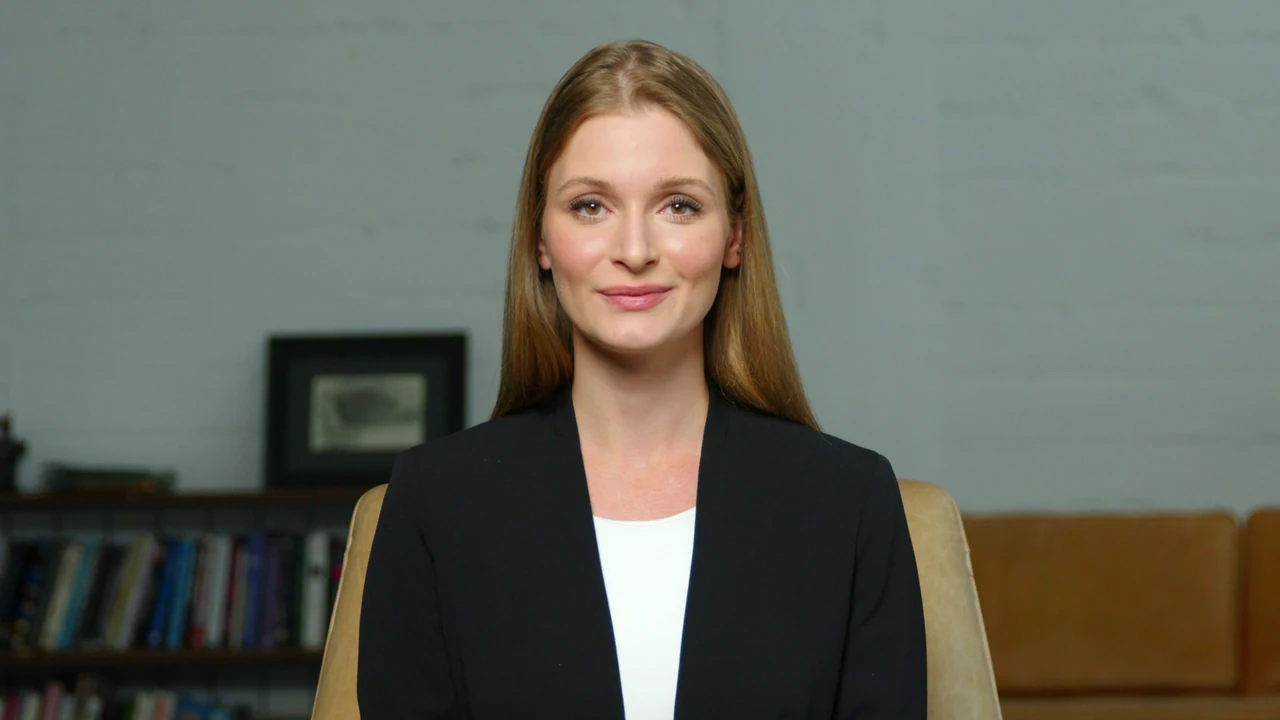
 Recommended tutor: Sarah
Lesson modules
Pick a focus for today’s session, or start the full lesson and let the tutor decide.
Why this matters
Free conversation is the truest test of speaking English: nothing prepared, no menu of phrases, just whatever the moment serves up. It's also the most under-practised. Most courses teach you to talk about airports and hotels but not about your weekend, your job, the show you binged last night, the thing you can't stop thinking about.
These lessons are open. Bring whatever you want — yesterday's news, a problem at work, a film you didn't like, a question you've had for a while. The tutor follows along, asks the natural follow-ups, and gently models better phrasings as you go. Five minutes in, you're not doing a lesson; you're just talking.
What you’ll be able to do
- ✓Hold a conversation without a topic prompt for 5–10 minutes.
- ✓Tell a short story from your life with the right tense and connectors.
- ✓Ask follow-up questions instead of just answering.
- ✓Express opinions, doubts, and feelings in natural English.
- ✓Get used to the rhythm of real English chat.
What a lesson actually feels like
You start by saying you had a busy week.
Key vocabulary
Useful phrases by situation
Asking about someone
- “How was your week?”
- “What have you been up to?”
- “Anything interesting going on?”
- “How's the family?”
Showing interest
- “That's really cool — tell me more.”
- “Oh wow, how did that go?”
- “What was the best part?”
- “And how did you feel about it?”
Closing kindly
- “Anyway — I've really enjoyed this.”
- “It was nice catching up.”
- “Let's talk again soon.”
Common mistakes & how to fix them
Cultural notes
- ★How are you? in casual English is often a greeting, not a real question. "Good, you?" is the usual return.
- ★Pauses are okay. English speakers fill them with sounds like 'um', 'so…', 'right…' — they don't expect non-stop fluency.
- ★Ending a conversation politely is its own skill. Phrases like 'Right, I should head off — great chatting' are how natives close.
Tips from our tutors
Frequently asked
What if I don't have anything to talk about?+
Will my level be too low for free conversation?+
Can we just chat in my native language sometimes?+
Beginner, intermediate, advanced
Tell the tutor your level at the start of the lesson and the conversation adjusts. Same topic, different depth.
Friendly first conversation. The tutor speaks slowly, asks one easy question at a time, and accepts very short answers. Perfect for someone who froze in their last lesson.
- →Talk about your day with simple sentences.
- →Answer "How are you?" and ask back.
- →Survive a 5-minute lesson without switching to your native language.
Open chat at conversational pace. The tutor follows whatever you bring up — work, weekends, hobbies — and pushes you to extend each thought into two or three sentences instead of one.
- →Tell a 3-sentence story from this week.
- →Use connectors fluidly (so, then, after that, eventually).
- →Ask follow-up questions instead of just answering.
Real native-pace English with idioms, opinions, mild disagreement, humour. The tutor stops correcting grammar and starts pushing your phrasing toward something a native would actually say.
- →Hold a 10-minute open conversation without effort.
- →Use 2–3 idioms naturally per lesson.
- →Disagree, joke, change the subject — all in English.
Suggested tutors for this topic


Related topics



Ready to practice free conversation?
Free 5-minute trial. No card. No commitment.
Start lesson — free →