
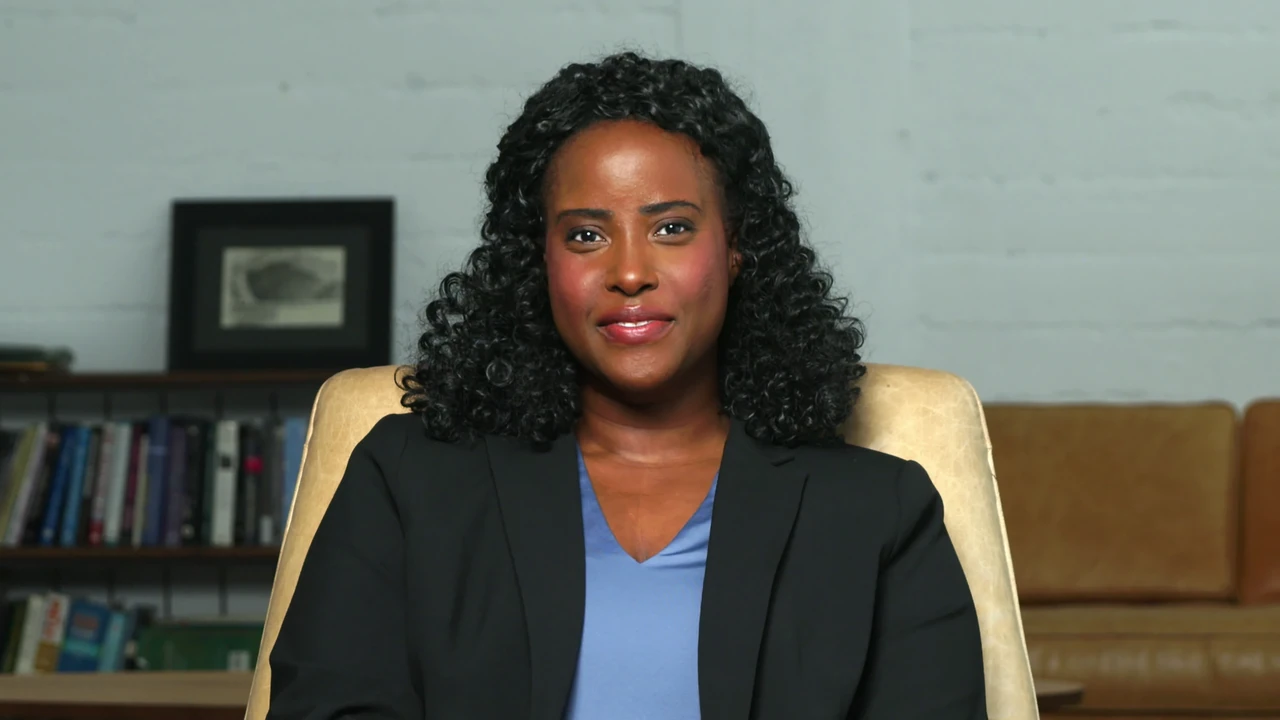
 Recommended tutor: Judy
Lesson modules
Pick a focus for today’s session, or start the full lesson and let the tutor decide.
Why this matters
Phone calls are the hardest English most learners do. There are no faces, no body language, often no second take. Just sound, distance, and a clock ticking. The vocabulary itself is mostly fixed — but the speed, the politeness templates, and the recovery moves when you mishear a name or a number all need real practice.
These lessons run pure-audio scenarios: leaving a voicemail, taking a message for a colleague, asking someone to repeat, transferring a call, scheduling, following up. By lesson three you stop dreading unknown numbers and start picking up.
What you’ll be able to do
- ✓Open and close a professional call without rehearsing.
- ✓Leave a voicemail that someone will actually call back.
- ✓Ask people to slow down or repeat without sounding clueless.
- ✓Schedule, reschedule, and confirm appointments by phone.
- ✓Handle the dreaded "who's calling?" / "can I take a message?" exchange.
What a lesson actually feels like
You're calling a clinic to reschedule an appointment.
Key vocabulary
Useful phrases by situation
Opening
- “Hi, this is [name] calling from [company]. May I speak to [person]?”
- “Hello — am I speaking with [name]?”
- “Sorry to bother you — do you have a quick minute?”
- “Is this a good time to talk?”
When you can't hear / understand
- “Sorry, you're breaking up — could you repeat that?”
- “Could you spell that for me?”
- “Sorry, I didn't catch the last part.”
- “Could you speak a little slower, please?”
Closing
- “Thanks for your time — speak soon.”
- “I'll send a follow-up email today.”
- “Have a great rest of your day.”
- “I appreciate the help, thanks again.”
Voicemail
- “Hi, this is [name] from [company]. I'm calling about [reason]. Could you call me back at [number]? Thanks.”
- “Sorry I missed you. I'll try again later.”
- “No need to call back — I just wanted to confirm Thursday at 4.”
Common mistakes & how to fix them
Cultural notes
- ★In the US and UK, voicemail is the default when no one answers. Always leave one if it's important — silence is often interpreted as nothing urgent.
- ★Don't apologise for having an accent. Most people on the other end don't care; they care that you're polite and clear.
- ★Numbers are read out one digit at a time on the phone in English: "two-four-five", not "two hundred forty-five". Same with dates.
Tips from our tutors

Frequently asked
Can I practice without using actual audio?+
What if my pronunciation isn't great?+
How many lessons before I stop dreading work calls?+
Beginner, intermediate, advanced
Tell the tutor your level at the start of the lesson and the conversation adjusts. Same topic, different depth.
Phone-call basics. Leave a short voicemail, give your name, ask the other person to slow down. The tutor speaks in clear, predictable phone English.
- →Leave a 3-sentence voicemail.
- →Ask "could you say that more slowly?" without panicking.
- →Give your phone number digit by digit in English.
Real working calls. Schedule, reschedule, transfer, follow up. The tutor plays a polite-but-busy receptionist or colleague.
- →Schedule and reschedule a meeting on a call.
- →Take and leave a message for a colleague.
- →Recover from a bad line ("you're breaking up").
Difficult-conversation phone English. An angry customer, a missed deadline, a contract negotiation. Native pace, neutral register, no scripts.
- →De-escalate an angry customer without losing authority.
- →Negotiate a deadline or scope change politely.
- →Match the formality of the other side's register without a beat.
Suggested tutors for this topic

Related topics



Ready to practice phone & voicemail?
Free 5-minute trial. No card. No commitment.
Start lesson — free →