
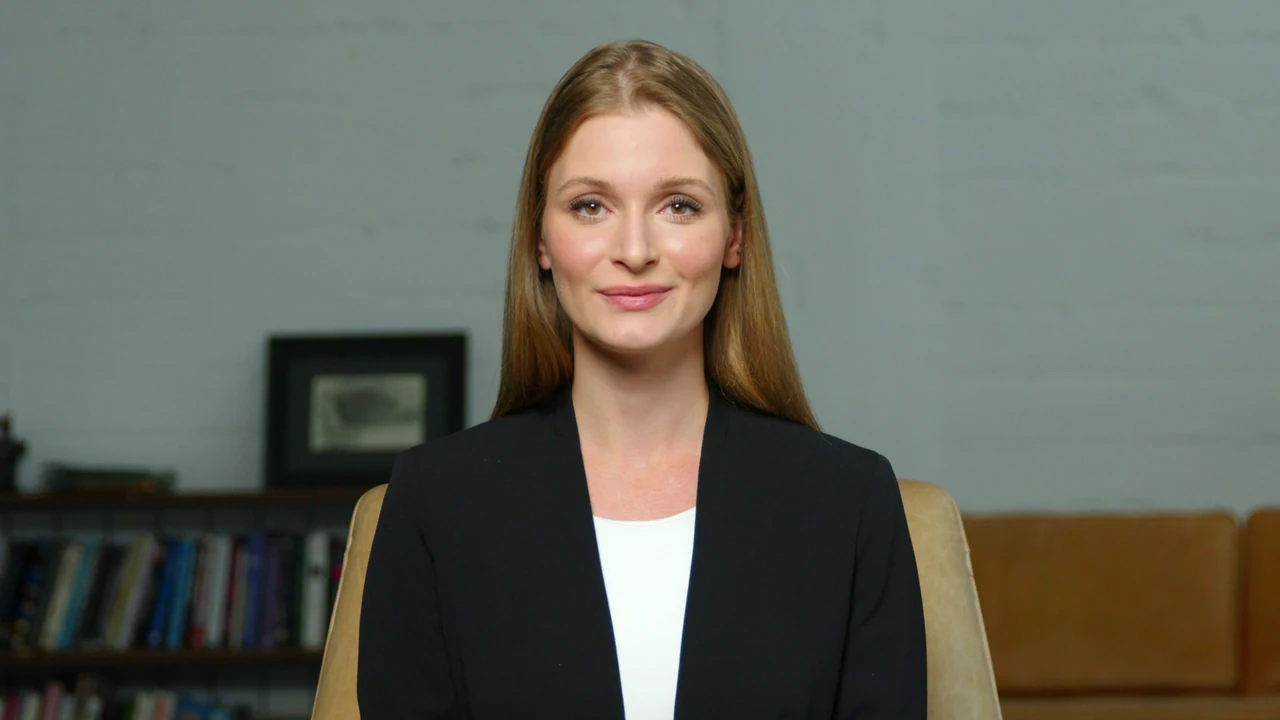
 Recommended tutor: Sarah
Why this matters
School is the topic kids have the most to say about — they live there for a third of every weekday. The vocabulary is concrete (teacher, pencil, lunchbox, friend), the grammar is gentle (I have, my, we), and the conversations almost write themselves once a child starts naming what's around them.
The tutor stays curious and light. They ask about the favourite subject, the friend who makes them laugh, what the lunchbox had today — never about grades, tests or being in trouble. By the end of a couple of lessons, most kids can describe a normal school day in English and ask another person about theirs.
What you’ll be able to do
- ✓Introduce a teacher and one school friend.
- ✓Name common classroom items: pencil, book, desk, board.
- ✓Say what their favourite subject is and why.
- ✓Talk about lunchtime: what they eat, who they sit with.
- ✓Answer "How was school today?" with more than one sentence.
What a lesson actually feels like
A 10-year-old talks about their teacher and best friend.
Key vocabulary
Useful phrases by situation
My school
- “My teacher is nice.”
- “My classroom is big.”
- “My favourite subject is art.”
- “I have a lot of homework today.”
My friends
- “My best friend is Lily.”
- “We sit together at lunch.”
- “She is very funny.”
- “We play at recess.”
My day
- “School starts at nine.”
- “We have lunch at twelve.”
- “I take the bus home.”
- “After school, I play with my dog.”
Common mistakes & how to fix them
Cultural notes
- ★In the UK kids say "maths"; in the US they say "math". Same subject, different countries.
- ★In the US, the play break is called "recess"; in the UK it is "break" or "playtime". Use whichever feels natural.
Tips from our tutors
Frequently asked
My child gets stressed about school. Will this lesson make it worse?+
My child goes to an English-language school. Is this useful?+
How is this different from "Family & Home"?+
What if my child is shy and does not want to share much?+
Beginner, intermediate, advanced
Tell the tutor your level at the start of the lesson and the conversation adjusts. Same topic, different depth.
Name your teacher and your favourite subject. The tutor accepts short answers and helps you say more if you want.
- →Say your teacher's name.
- →Name your favourite subject in English.
- →Answer "is your teacher kind or strict?" with one word.
Describe a normal school day with time words. "At nine we have maths. At twelve we have lunch."
- →Use time phrases (at 9, at lunch, after school).
- →Name 3 subjects you have this term.
- →Tell who you sit next to and one thing about them.
Tell a tiny school story — something funny, something kind, something you didn't expect. Two or three sentences in simple past.
- →Tell a 3-sentence school story using simple past.
- →Describe a friend with two details.
- →Answer "what was the best part of your week?" with a real example.
Suggested tutors for this topic



Related topics



Ready to practice school day?
Free 5-minute trial. No card. No commitment.
Start lesson — free →