Lesson modules
Pick a focus for today’s session, or start the full lesson and let the tutor decide.
Why this matters
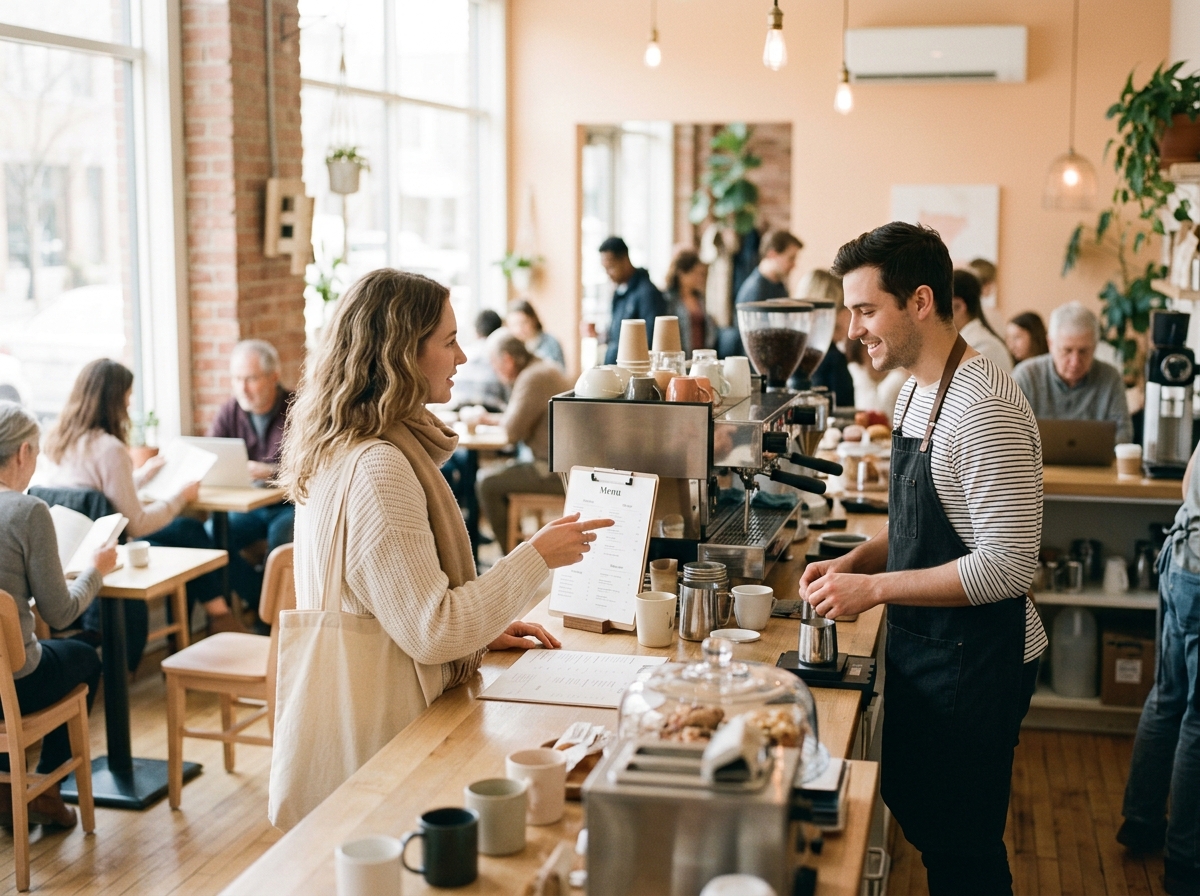
Ordering coffee is the smallest English transaction there is — and the one most learners get unexpectedly stuck on. Real-world coffee shops are noisy, the staff talk fast, and the menu has more words than you think (oat milk, decaf, two shots, for here, to go, room for cream). One missed phrase and the whole queue feels the awkwardness behind you.
These lessons put you on the customer side of Bean Street — a friendly fictional cafe — with an AI barista who plays it straight. You learn the patterns first (greet, order, modify, pay) and then practice them until ordering happens on autopilot. When you walk into a real coffee shop abroad, your brain has already been there.
What you’ll be able to do
- ✓Walk into any coffee shop and order without rehearsing in your head.
- ✓Modify drinks with confidence: oat milk, less ice, extra shot, decaf.
- ✓Handle "for here or to go", tipping, and paying with card or cash.
- ✓Make a moment of small talk if the barista starts one.
- ✓Recover when the barista asks something you didn't catch.
What a lesson actually feels like
You're at Bean Street, ordering a flat white with oat milk to take away.
Key vocabulary
Useful phrases by situation
Ordering
- “Could I get a large latte, please?”
- “I'll have a flat white with oat milk.”
- “What's the special today?”
- “Could you also add a shot of vanilla?”
Modifying
- “Make that decaf, please.”
- “Less ice, if that's okay.”
- “Could you do that with almond milk?”
- “Extra shot, please.”
Paying & leaving
- “Card, please.”
- “Could I have the receipt?”
- “Keep the change — thanks!”
- “Have a great day!”
Common mistakes & how to fix them
Cultural notes
- ★In the US, baristas often ask your name to write on the cup. Just give a first name (or a short fake one if yours is hard to spell — totally normal).
- ★Tipping: $1 in the US tip jar is standard if there's table service or a regular barista. In the UK and most of Europe it's not expected.
- ★Don't apologise for taking your time. The queue is the queue; it's the staff's job to handle it.
Tips from our tutors
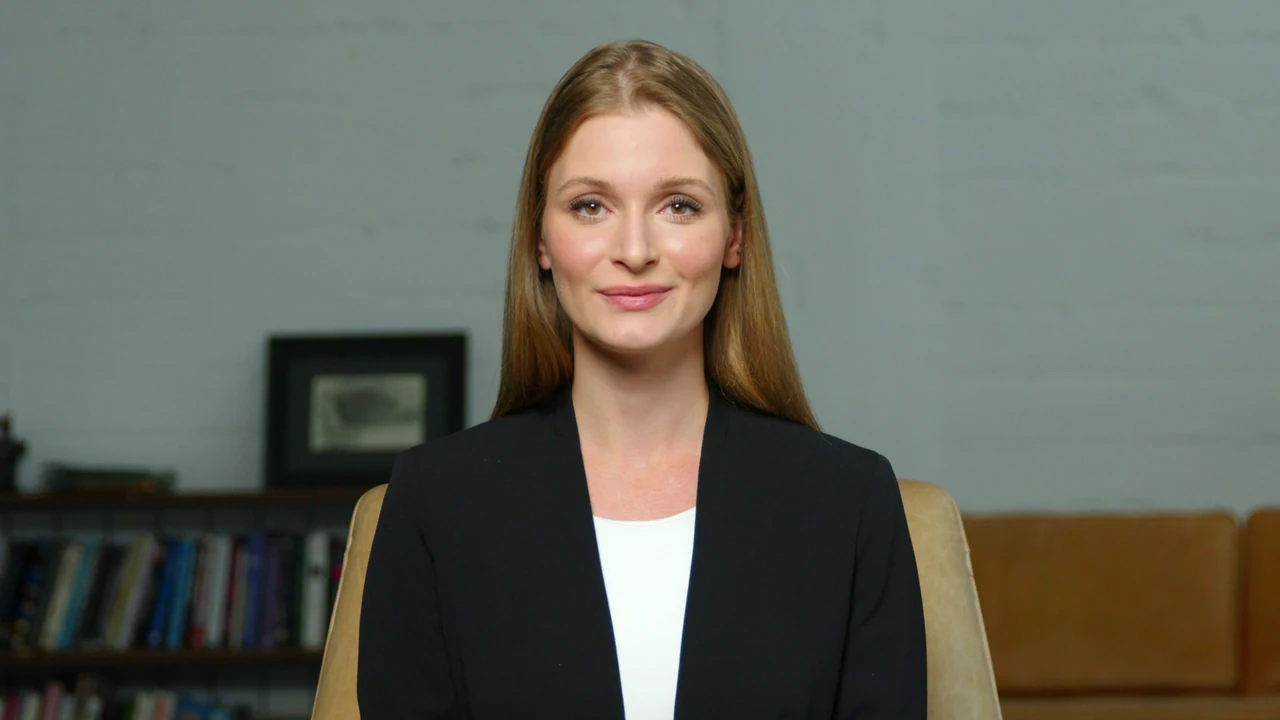
“Smile and start with hi. Half the awkwardness people feel is because they jump straight to ordering — humans appreciate a beat of warmth first.”

“If you don't catch what they said, 'Sorry, what was that?' is perfect. They will absolutely repeat it.”
Frequently asked
I just want to be able to order a basic coffee. How long?+
Will the AI understand my accent?+
What if I freeze in a real coffee shop?+
Beginner, intermediate, advanced
Tell the tutor your level at the start of the lesson and the conversation adjusts. Same topic, different depth.
First-coffee survival mode. The tutor sticks to fixed phrases — 'I'd like a latte', 'to go please' — and gives you exactly the words you'll hear back from a barista.
- →Order one drink without rehearsing.
- →Choose between "for here" and "to go".
- →Pay with card and say thanks.
Real-pace ordering with modifications. Oat milk, decaf, an extra shot, less ice. The tutor speaks like a real barista — fast, friendly, sometimes a little impatient.
- →Modify your drink (oat milk, decaf, extra shot).
- →Ask about the special or recommend an item.
- →Recover when you mishear a question.
Specialty-cafe small talk. Specific bean origins, brewing methods, the regular-customer banter. Push for accent and idiomatic flourishes a true regular would use.
- →Discuss bean origin / roast / brew method intelligently.
- →Make light small talk that doesn't feel forced.
- →Catch the casual differences between US, UK and Australian coffee speak.
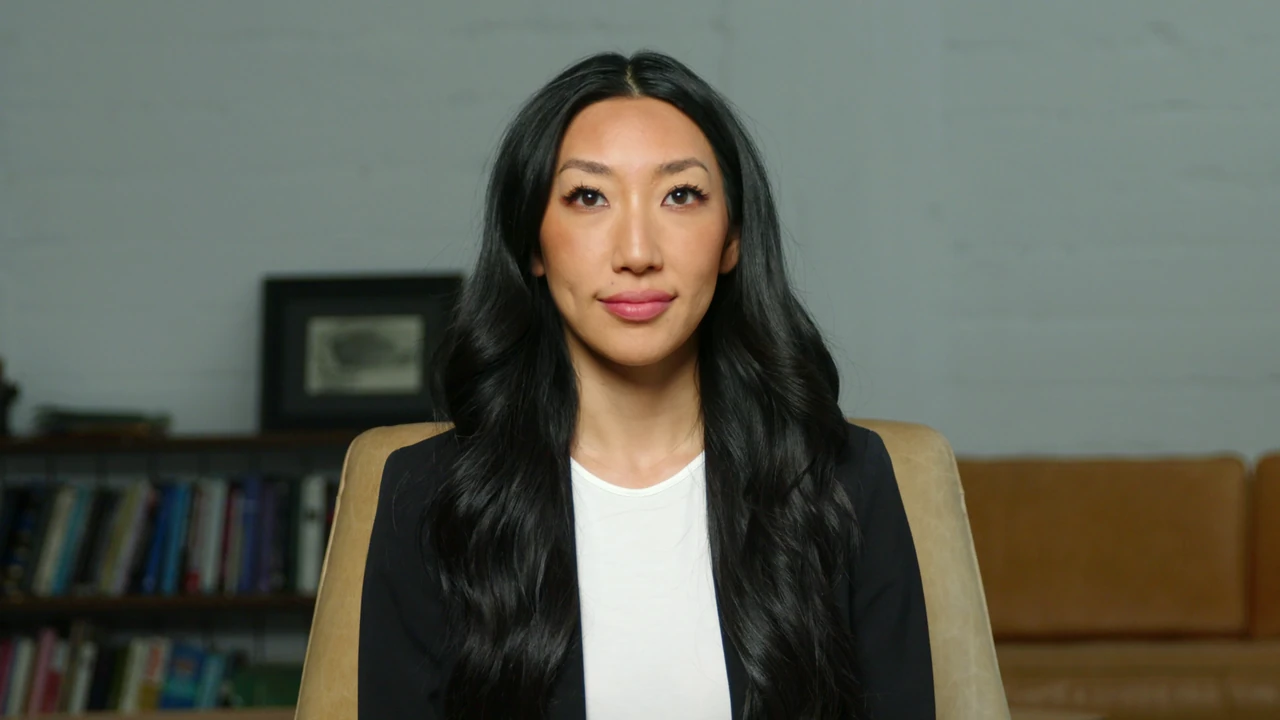
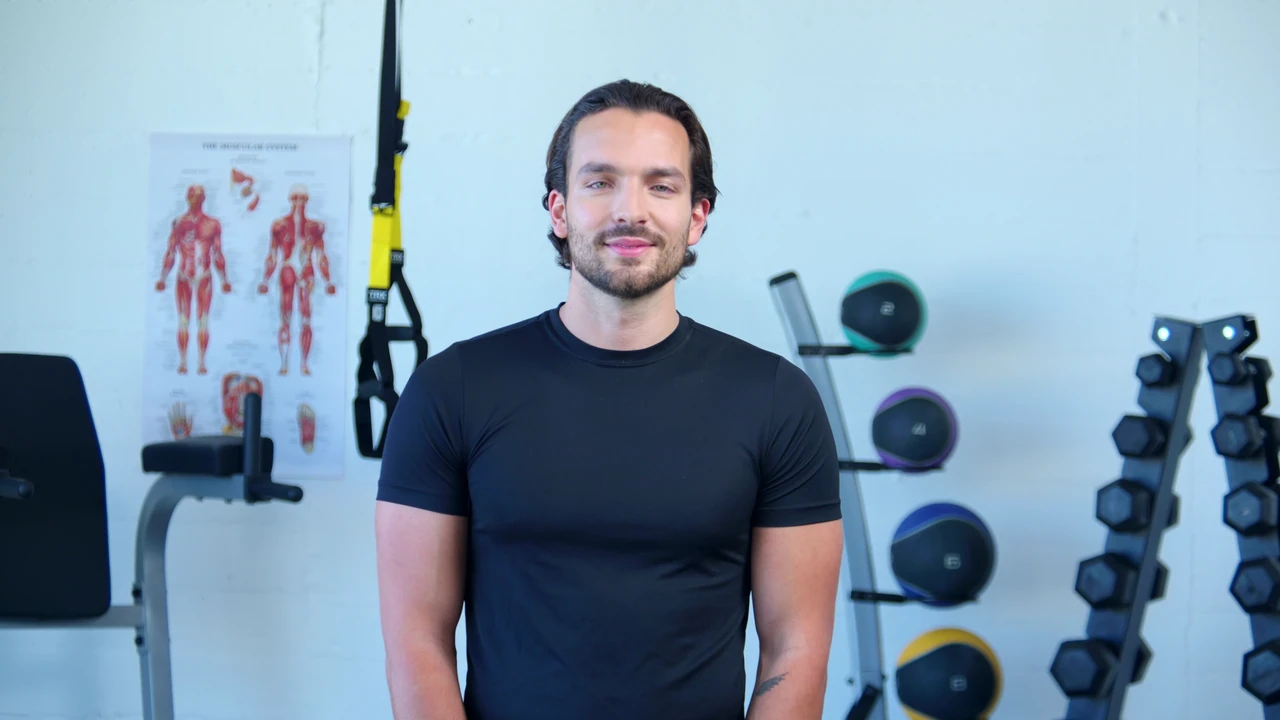
Suggested tutors for this topic
Related topics
Ready to practice coffee shop roleplay?
Free 5-minute trial. No card. No commitment.
Start lesson — free →